
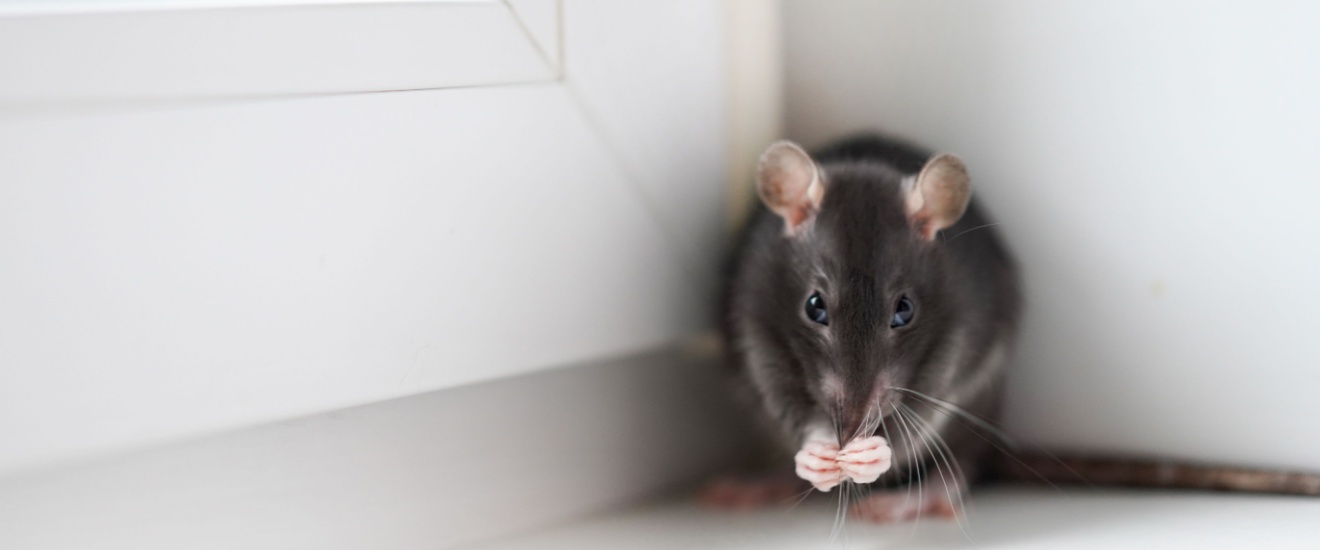
Los Angeles homes face a unique challenge when it comes to rodents. The city’s warm climate, dense neighborhoods, and older housing structures create the perfect environment for rats and mice to thrive. While these pests often stay hidden, they leave behind subtle clues that reveal their presence. Spotting these early signs of rodent infestation in Los Angeles can save families from costly damage and serious health risks. This guide walks you through the most common indicators—so you’ll know exactly how to tell if you have rats in your house or mice nesting nearby before the problem escalates.
Rodent Droppings in the House
One of the clearest indicators of rodent activity is the presence of droppings. These small, dark pellets often appear near food storage areas, inside cabinets, or along baseboards. In Los Angeles homes, attics and garages are common hotspots. Fresh droppings signal active infestations, while older ones suggest rodents have been present for some time.
Droppings are not just unsightly—they carry bacteria and allergens that can contaminate food surfaces and trigger respiratory issues. Families with children or pets are especially vulnerable, as accidental contact with rodent waste can lead to illness. Identifying droppings early allows homeowners to act before contamination spreads.
Another key detail is the size and shape of droppings, which can help identify the species. Mouse droppings are small and pointed, while rat droppings are larger and blunt. Recognizing the difference gives professionals clues about the scale and type of infestation.
Gnaw Marks on Surfaces and Wiring
Rodents constantly gnaw to keep their teeth from overgrowing. Chewed wires, furniture edges, and torn food packaging are all warning signs. In Los Angeles properties, gnawed electrical wiring is especially dangerous, as it can spark fires and cause costly damage.
Beyond electrical hazards, gnaw marks can weaken structural materials. Wooden beams, insulation, and even plastic pipes are vulnerable to rodent damage. Over time, this destruction can compromise the safety and integrity of your home.
The location of gnaw marks often reveals rodent pathways. Marks near baseboards or utility lines suggest travel routes, while shredded packaging points to food sources. Tracking these patterns helps pinpoint nesting zones and entry points.
Scratching Noises in Walls or Ceilings
If you hear scratching or scurrying sounds at night, rodents may be nesting inside your walls or attic. These noises are often most noticeable after dark, when rodents are most active. Families across Los Angeles frequently report this as the first sign of hidden infestations.
The sounds may vary depending on the species. Mice tend to make lighter scratching noises, while rats produce heavier thuds or scurrying sounds. Identifying the type of noise can help professionals determine which rodent is invading your home.
Pay attention to the timing of noises. Activity at dusk and dawn often signals roof rats, while continuous nighttime scratching may point to house mice. These distinctions help professionals tailor control strategies more effectively.
Rats in the Attic
Attics provide warmth and insulation, making them prime nesting spots for rats. You might hear movement overhead or notice shredded insulation and nesting materials. In Los Angeles, roof rats are particularly common and often enter through small gaps near eaves or vents.
Attic infestations are especially problematic because rodents can remain hidden for months. They often chew through insulation, leaving behind droppings and urine that compromise air quality. This contamination can spread through your HVAC system, affecting the entire household.
Another sign of attic activity is the presence of strong odors. Rat urine has a pungent smell that intensifies over time, often noticeable when HVAC systems circulate air. Detecting this odor early can confirm hidden infestations.
Grease Trails and Rub Marks
Rodents leave behind oily streaks as they travel the same paths repeatedly. These marks often appear along walls, baseboards, or entry points. In older Los Angeles homes, rub marks are a frequent clue that rodents are using hidden routes to move through the property.
Grease trails are created by the oils in rodent fur mixing with dirt and dust. Over time, these marks become darker and more noticeable. They often indicate high‑traffic areas where rodents regularly travel.
Fresh rub marks appear lighter and smudged, while older ones are darker and more defined. This distinction helps determine whether the infestation is active or longstanding, guiding the urgency of treatment.
Unusual Pet Behavior
Dogs and cats often sense rodent activity before humans do. If your pet fixates on a corner, scratches at walls, or becomes unusually alert in certain areas, it may be reacting to rodents. This subtle sign is worth investigating, especially in homes where other evidence is present.
Pets may also refuse to enter certain rooms or show signs of stress when rodents are nearby. Their heightened senses allow them to detect movement and odors that humans overlook.
Watch for changes in feeding behavior. Pets may avoid food bowls if rodents are contaminating them, or they may become more protective of their space. These shifts, combined with other signs, strengthen the case for a hidden infestation.
Immediate Steps Homeowners Can Take
While professional inspection is the most reliable solution, there are practical steps families can take right away to reduce rodent activity:
- Seal entry points: Close gaps around doors, windows, vents, and utility lines. Even small openings let rodents in, so use caulk, steel wool, or weatherstripping.
- Store food securely: Keep pantry items and pet food in airtight containers. Avoid leaving dishes or leftovers out overnight.
- Declutter storage areas: Replace cardboard boxes with plastic bins and clear piles of paper or fabric that rodents use for nesting.
- Trim vegetation: Cut back tree branches and shrubs touching your roof or siding to block rodent pathways.
- Maintain cleanliness: Vacuum floors, wipe counters, and clean under appliances to remove crumbs and odors that attract pests.
- Check attics and crawl spaces: Inspect insulation and hidden areas for droppings or nesting materials to catch problems early.
Taking these steps won’t eliminate an infestation on their own, but they make your home far less inviting to rodents and strengthen the effectiveness of professional treatments. By combining everyday prevention with expert inspection, Los Angeles homeowners can stay ahead of rodent problems before they escalate.
Why Rodent Problems Are So Common in Los Angeles
Los Angeles offers rodents everything they need to thrive: a mild climate, dense housing, and abundant food sources. Unlike colder regions where rodent activity slows in winter, Los Angeles homes face year‑round pressure from rats and mice. This constant exposure means that even small gaps or overlooked maintenance issues can quickly lead to infestations.
Urban density also plays a role. In neighborhoods where homes, restaurants, and businesses sit close together, rodents move easily between properties. A rodent problem in one building often spreads to the next, making vigilance essential for homeowners.
Local rodent species, such as roof rats and house mice, are particularly well‑adapted to Los Angeles living. Roof rats climb trees and power lines to access attics, while house mice squeeze through openings no larger than a dime. Understanding these behaviors helps explain why signs like droppings, gnaw marks, and scratching noises are so common in Los Angeles homes—and why professional inspection is often the only way to stop infestations from spreading.
Your Plan for Rodent Control in Los Angeles
Los Angeles homeowners know that rodent problems rarely stay small. Droppings, gnaw marks, and unsettling noises are more than inconveniences—they’re warnings of hidden infestations that can erode comfort and safety. Recognizing these signs early and acting with awareness of the city’s unique environment is the key to keeping homes secure.
When the signs start adding up, Pest‑R‑Us Pest Services is the team Los Angeles families turn to. With deep knowledge of local rodent behavior and proven strategies, we uncover hidden entryways, clear infestations, and build lasting protection for your home. Contact Pest‑R‑Us Pest Services now to put an end to rodent worries and keep your family safe.