
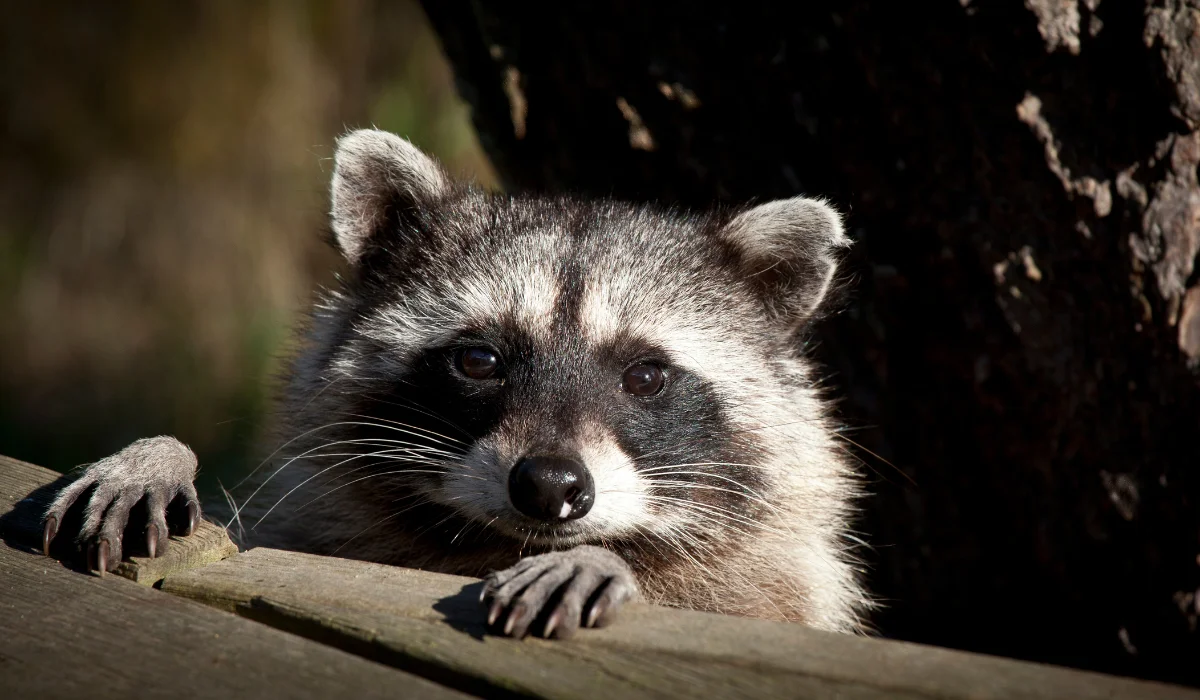
If you hear heavy thumping or scratching above your ceiling, you may have raccoons in the attic. This is a common raccoon problem for San Diego homeowners, renters, and property managers. Homes near canyons, parks, and older rooflines often give raccoons easy access.
Raccoons may look harmless outside, but raccoons living in an attic can cause damage fast. They pull at insulation, leave droppings and feces, and tear at shingles, soffits, and fascia. A mother raccoon or female raccoon may also bring baby raccoons into the attic, turning a small issue into a full raccoon infestation.
The good news is that fast wildlife removal can help you get rid of raccoons before the damage gets worse. Knowing what signs to watch for helps you act early and protect your home.
Key Takeaways
- Raccoons in the attic often make loud noises at night
- Droppings, feces, and a latrine smell are common warning signs
- Raccoons may enter through soffits, fascia, shingles, or another entry point
- DIY fixes like bright lights, mothballs, and predator urine often fail
- Raccoon eviction, one-way doors, clean up, and repairs are best left to wildlife removal pros
Signs Raccoons Are in the Attic
These signs can help you spot raccoons in my attic before the damage grows.
Loud Noises at Night
One of the first signs of raccoons is loud noises after dark. You may hear walking, scratching, bumping, or rolling sounds overhead.
These loud noises are often much heavier than the sounds made by small critters. If it sounds like a larger animal is moving around, raccoons may be the cause.
Droppings, Feces, and Bad Smells
Raccoons often use one area as a latrine, leaving droppings and feces there again and again. Over time, that waste creates strong smells in the attic and sometimes inside the home.
This waste can also bring health risks. Some waste may carry germs linked to leptospirosis or raccoon roundworm. You may also see the word Baylisascaris, which is the name tied to raccoon roundworm.
Roof Damage and Open Gaps
Raccoons often get in through a weak entry point on the roof. They may tear up shingles, bend soffits, or pull at fascia boards to make an entry hole.
Look for a gap near the roofline, vent, or downspout. Even one small entry point can let a raccoon family inside.
What to Do First if You Hear Raccoons
Start with calm, safe steps if you think raccoons are overhead.
Stay Out of the Attic
Do not go into the attic to scare raccoons away. A scared wild animal, especially a mother raccoon, may act fast to protect herself and her young.
This is why animal control or a wildlife control team is the safer choice. It also lowers the chance of making the raccoon problem worse.
Remove Food Sources Outside
Open trash, pet bowls, bird seed, and fruit on the ground can attract raccoons. These easy food sources often keep raccoons close to the home.
Skip DIY Deterrents
Many people try bright lights, mothballs, predator urine, deterrents, or a spray repellent. These quick fixes rarely solve the problem for long.
If there is a mother raccoon with baby raccoons, DIY deterrents can make things worse. It is better to call for wildlife removal than to rely on bright lights or mothballs.
Why Raccoons Choose Attics
Attics provide raccoons with the shelter they need.
Warm and Safe Shelter
An attic is dry, dark, and quiet. That makes it a safe place for raccoons living inside a home.
For a female raccoon or mother raccoon, the attic can feel safer than the yard. It protects baby raccoons from the weather and noise.
Easy Climbing Paths
Raccoons are strong climbers. They can climb fences, trees, and a downspout to reach the roof.
Once there, they look for a broken entry point, weak soffits, or a loose entry hole near the fascia.
Space to Raise Young
A quiet attic gives a raccoon family room to stay hidden. That is why raccoons often stay longer than people expect.
This is also why a true raccoon infestation needs careful wildlife control, not just noise or spray.
How Pros Remove Raccoons and Seal Entry Points
A trained team uses safe steps to handle raccoon removal.
Full Inspection
The first step in raccoon removal is a full check of the roof and attic. The technician looks for every entry point, each entry hole, and signs of raccoons inside.
Safe Raccoon Eviction
Next comes raccoon eviction. Pros may use one-way doors that let raccoons leave but not re-enter.
Clean Up and Repairs
After the eviction, the attic may need to be cleaned up. This may include removing droppings, feces, dirty insulation, and nesting mess.
Then the crew seals the entry point and repairs the entry hole. Some homes also need pest control if insects or other pests are found during the job.
Book Raccoon Removal for San Diego Homes
A raccoon or group of raccoons in the attic can damage your home fast. The longer raccoons stay, the more likely you are to face repairs, smells, and added health risks. Fast wildlife removal is the best way to stop the problem.
Pest-R-Us offers wildlife removal, wildlife control, and pest control services for San Diego properties. If you need help getting rid of raccoons, stopping a raccoon infestation, or protecting your roof from further damage, our team can help with safe raccoon removal and follow-up cleanup. Contact us today.
FAQs
What attracts raccoons to an attic?
Raccoons like attics because they are warm, dark, and safe. Easy food sources outside and a weak entry point on the roof can make the home even more attractive.
Is raccoon waste dangerous in the attic?
Yes. Droppings and feces can bring odors and possible health risks. People may hear terms like leptospirosis, raccoon roundworm, or baylisascaris, which is why proper clean-up matters.
Can I use traps to catch raccoons or store products myself?
DIY raccoon trapping, repellents, and other home fixes often miss the real issue. A wildlife control or animal control expert can handle the eviction, protect the home, and help keep raccoons out for good.