
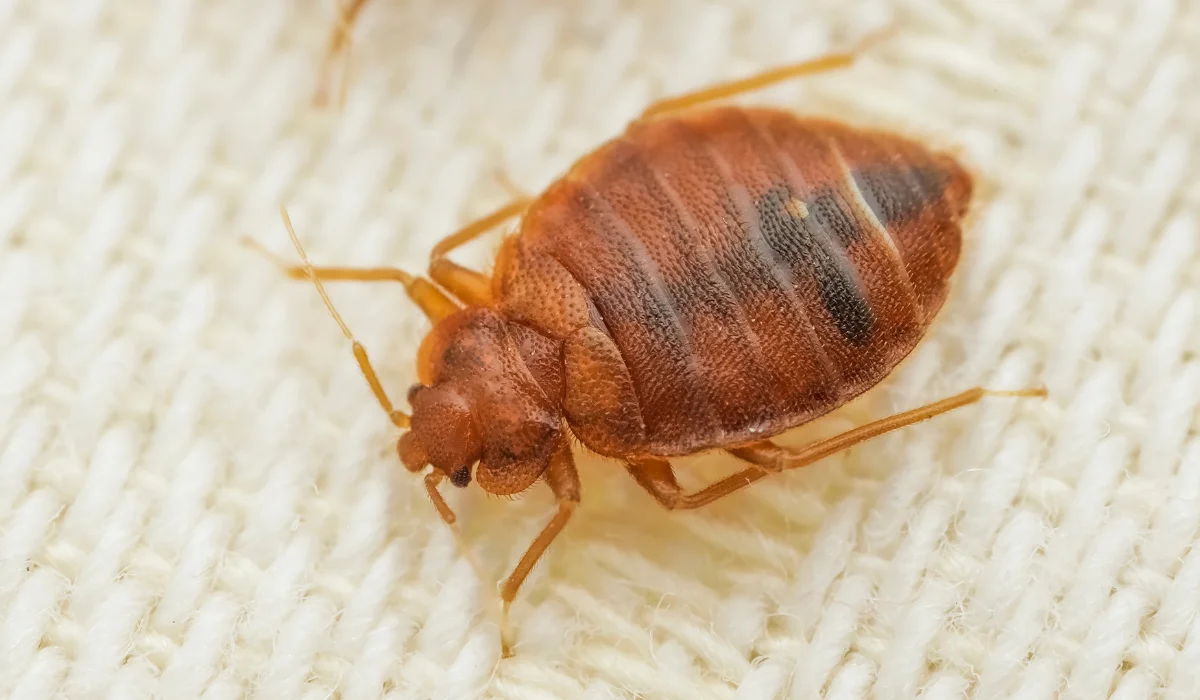
Bed bugs are one of the most frustrating pests for homeowners and renters in California. Once they enter a home, they can stay hidden for months and multiply quickly. Many people first notice bed bug bites or small stains on sheets before they realize they have a bed bug infestation.
These pests often hide in tight crevices around beds, furniture, and walls. In California homes and apartments, they are commonly found in mattress seams, box springs, headboards, and even behind baseboards or loose wallpaper.
Understanding the bed bug life cycle helps explain why they can remain in a home for so long. From bed bug eggs to adult bed bugs, each stage allows them to grow, hide, and spread. Knowing how long bed bugs live and where they hide makes it easier to spot problems early and contact professional pest control when needed.
Key Takeaways
- Bed bugs can live several months inside California homes.
- Bed bug eggs, nymphs, and adults all contribute to the growth of bed bug populations.
- Bed bugs often hide in mattress seams, bed frames, box springs, and wall crevices.
- These pests can survive for long periods without feeding.
- Professional bed bug control is often the most reliable way to get rid of bed bugs.
How Long Bed Bugs Live Indoors
Bed bugs can live for months indoors, especially when they find warm hiding areas and people nearby. This section explains each stage of the bed bug life cycle and how long it lasts.
Bed Bug Eggs
The life cycle starts when female bed bugs begin laying eggs in hidden areas. These tiny bed bug eggs are often placed in cracks near beds, furniture, or bed frames.
Eggs usually hatch in about one to two weeks. Once the eggs hatch, young bed bugs begin searching for their first blood meal. Even at this early stage, they hide in tight crevices around beds or behind baseboards.
Nymphs
After the eggs hatch, the young bugs are called nymphs. Bed bug nymphs must take a blood meal before each growth stage.
As they grow, nymphs shed their outer layer, also called an exoskeleton, in a process known as molt. Each time they molt, they become larger and darker.
These young bugs often hide in mattress seams, box springs, and small cracks in bed frames.
Adult Bed Bugs
Once fully grown, adult bed bugs are about the size of an apple seed and appear reddish brown after feeding. Adults can live for several months indoors at normal room temperatures.
During this time, bed bugs feed regularly and continue to lay eggs, allowing bed bug populations to grow quickly. Because adults hide in many places, infestations can persist unnoticed.
What Affects Bed Bug Lifespan in Homes
Several conditions inside a home can affect how long bed bugs live. Understanding these factors helps explain why infestations can last so long.
Room Temperature
Warm indoor conditions allow bed bugs to survive longer and grow faster. In many California homes, a stable room temperature helps them stay active year-round.
Cooler temperatures may slow their growth, but they can still survive indoors. This is why infestations may continue even during cooler months.
Access to Blood Meals
Bed bugs need a blood meal to grow and reproduce. When people sleep nearby, bed bugs feed regularly, and the population grows.
If people leave the home for a while, bed bugs can survive for long periods without feeding.
Pest Control and Treatment Methods
Many homeowners try over-the-counter sprays, foggers, or other treatments to kill bed bugs. However, these methods often miss bugs hiding in deep crevices.
Professional pest management services may use targeted products, heat treatment, or approved applications to treat hidden areas more effectively.
Why Bed Bugs Survive So Long Without Feeding
Bed bugs are known for surviving without food for extended periods. Several behaviors help them stay alive while hidden inside homes.
Deep Hiding Places
Bed bugs hide in tight spaces such as bed frames, headboards, or behind loose wallpaper. These small areas protect them from light and cleaning.
These hidden aggregations make it difficult to spot them early. Many people do not notice a problem until bed bug populations grow larger.
Protective Outer Layer
The bed bug’s outer shell, known as the exoskeleton, helps protect the insect as it grows. Each time a bug molts, it leaves behind shed skins.
These skins are often found near mattress seams, box springs, and other hiding areas.
Reduced Activity
When food is limited, bed bugs can slow their activity and stay hidden. This ability helps them survive long periods of time without a blood meal.
Because they remain hidden, homeowners may believe the problem is gone even when bugs are still present.
Signs Bed Bugs Are Still Active
Knowing the signs of bed bugs helps homeowners confirm whether an infestation is still active.
Bed Bug Bites
One of the most common clues is bed bug bites on the skin. These bites often appear in small clusters after sleeping.
While bites alone do not confirm an infestation, they can be an early warning sign.
Fecal Spots
Another sign is small dark fecal spots on sheets, mattresses, or nearby furniture.
These stains may appear around mattress seams, box springs, or along baseboards where bugs hide.
Visible Bed Bugs or Eggs
In some cases, people may see adult bed bugs, bed bug eggs, or groups of bugs called aggregations.
You may also notice bugs hiding in bed frames, under headboards, or inside tiny wall crevices.
Schedule a Bed Bug Inspection in California
Bed bugs can live for months inside homes, especially when they find safe hiding places and regular access to blood meals. Over time, bed bug populations grow as adults continue laying eggs and new nymphs develop.
Because these pests hide in mattress seams, box springs, and other small spaces, it can be difficult to get rid of bed bugs without professional help. DIY sprays, over-the-counter products, and foggers often miss hidden bugs.
If you suspect a bed bug infestation, a professional exterminator can inspect your home and recommend the right bed bug control plan. Pest-R-Us provides reliable professional pest control services across California to help homeowners and businesses eliminate bed bugs and restore comfort indoors. Schedule an inspection now.
FAQs
How long can bed bugs live without feeding?
Bed bugs can survive several months without a blood meal. They hide in tight crevices, slow their activity, and wait for a host to return. This ability is one reason infestations can remain hidden for long periods.
Where do bed bugs usually hide in homes?
Bed bugs often hide in mattress seams, box springs, bed frames, headboards, and behind baseboards or loose wallpaper. These hidden areas protect them and make infestations harder to detect.
Can DIY products eliminate a bed bug infestation?
Some over-the-counter sprays, pesticides, or foggers may kill visible bugs, but they often miss hidden ones. Professional pest management, or heat treatment, is usually more effective at fully eliminating bed bugs.