
Bed bugs can spread quickly in homes, apartments, and hotels across Los Angeles County. Many homeowners first notice itchy bites or small stains on their bedding before realizing there is a problem.
Catching the early signs of bed bugs can help prevent a small issue from turning into a larger bed bug infestation. These pests hide in tight spaces near beds and furniture, which makes them hard to spot during the day.
If you understand the common signs of bed bugs, you can act fast. Early detection makes it easier for a professional pest control provider to treat the problem and help you get rid of bedbugs before they spread through your home.
Key Takeaways
- Small bite marks or welts on the skin are common early signs of bed bugs.
- Bed bugs often hide in mattress seams, bed frames, and nearby furniture.
- Dark spots, blood stains, and shed skins are strong clues of bed bug activity.
- Early detection helps prevent a larger bed bug infestation.
- A professional exterminator can inspect your home and recommend treatment.
Early Signs of Bed Bugs in Homes
Many homeowners first notice changes in their skin or bedding before they see the insects themselves.
Bed Bug Bites
Bed bug bites often appear as small red bite marks or welts on arms, legs, or the neck. These bites may appear in rows or clusters after a night’s sleep.
Some people develop rashes, itching, or mild allergic reactions. In rare cases, severe reactions like anaphylaxis can occur. Not everyone reacts the same way, which can make early signs harder to recognize.
Blood Stains on Bedding
Small blood stains on sheets or pillowcases are another warning sign. These marks may appear after a bed bug takes a blood meal during the night.
The stains are usually tiny and rusty in color. You might notice them near the edges of pillows or along the seams of mattresses.
Dark Spots and Droppings
Another common clue is small dark spots on bedding or furniture. These spots are often bed bug excrement or droppings left behind in their hiding places.
You may also see tiny shell-like pieces that look like eggshells, exoskeletons, or shed skins from young bed bugs as they molt during their life cycle.
Seeing the Bugs Themselves
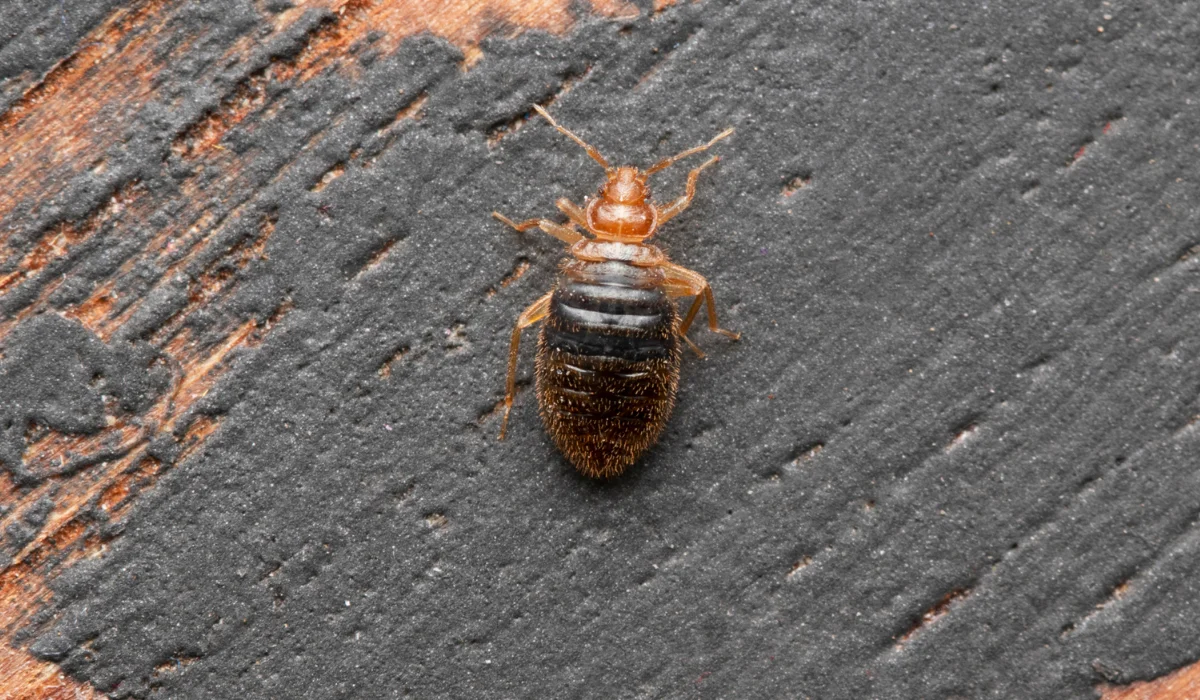
In some cases, you may see adult bed bugs. They are flat, reddish-brown, and about the size of an apple seed.
Young nymphs are smaller and lighter in color, sometimes no bigger than a pinhead. Spotting them often confirms the presence of bed bugs in your home.
Where Bed Bugs Hide in Bedrooms
Bed bugs stay close to sleeping areas because they feed at night. Knowing their common hiding places can help you check your home more carefully.
Mattress Seams and Box Springs
Start by checking mattress seams, box springs, and the edges of the bed. These narrow crevices give bed bugs safe spots to hide during the day.
You may also find bed bug eggs tucked into fabric folds or along the frame.
Bed Frames and Headboards
Bed bugs often hide in bed frames and behind headboards. These areas provide dark spaces where insects can stay close to people while remaining hidden.
Check joints, screw holes, and cracks. A simple tool like a credit card can help slide along gaps to look for activity.
Furniture and Couches
Bed bugs also hide in upholstered furniture, including chairs and couches. The seams and cushions create protected hiding spots.
If an infestation spreads, they may move to nearby furniture or other rooms.
Walls and Small Openings
Beyond the bed, bed bugs may hide behind baseboards, inside electrical outlets, or under loose wallpaper.
They can also hide under peeling wallpaper or inside wall cracks. These areas allow bed bugs to spread between rooms or units in larger buildings.
Bed Bug Signs vs Other Pest Clues
Some signs of bed bugs can resemble clues left by other pests.
Flea or Mosquito Bites
Flea and mosquito bites may look like bed bug bites, but they usually appear randomly. Bed bug bites often form lines or clusters.
If bites appear overnight and you see other signs of bed bugs, the cause may be a bed bug infestation.
Carpet Beetle Skin Reactions
Some people mistake skin irritation from carpet beetles for bed bug bites. Carpet beetles can cause skin conditions or itching, but they do not leave blood stains or dark spots on bedding.
Dust or Mold Spots
Small dark stains from dust or mold can look like bed bug droppings. However, real bed bug excrement often appears near mattress seams, frames, or other hiding places.
A professional pest control company can confirm whether the clues point to bed bugs or another issue.
What to Do if You Notice Early Signs
If you notice early signs of bed bugs, quick action can help limit the spread.
Wash Bedding in Hot Water
Wash sheets, blankets, and clothing in hot water and dry them on high heat. Heat can kill bed bugs and their eggs.
Place items in a sealed plastic bag after washing to prevent reinfestation.
Avoid DIY Sprays
Many store products use pesticides or insecticides, but they often miss hidden areas where bed bugs live.
Improper use of these products can also make treatment harder.
Call a Professional Exterminator
A trained exterminator can inspect your home and confirm the presence of bed bugs.
Professional bed bug control services focus on the main hiding places, helping you eliminate bed bugs rather than just reduce them.
Schedule a Bed Bug Inspection in Los Angeles County
If you suspect early signs of bed bugs, it’s best to schedule an inspection as soon as possible. Quick action can stop a small problem before it spreads through your home or building.
A professional pest control company can inspect bedrooms, furniture, and other common hiding areas. Early detection helps reduce treatment time and prevents a larger bed bug infestation.
Pest-R-Us provides reliable bed bug treatment and full pest control services for homeowners across Los Angeles County. If you’ve noticed bites, stains, or other warning signs, contact Pest-R-Us to schedule a professional inspection and take the first step toward a bed-bug-free home.
FAQs
What are the first signs of bed bugs in a home?
The first signs often include itchy bed bug bites, small blood stains on sheets, and dark spots on bedding or furniture. You may also find shed skins or tiny eggs near mattress seams and bed frames.
Where should I look for bed bugs first?
Start by checking mattress seams, box springs, and bed frames. Bed bugs often hide in small crevices near sleeping areas, including behind headboards, under baseboards, and inside nearby furniture.
Can you get rid of bedbugs without pest control?
Small problems may improve with cleaning and heat washing, but most infestations require professional help. A licensed pest control company can locate hidden bugs and use proven methods to fully remove them from your home.