
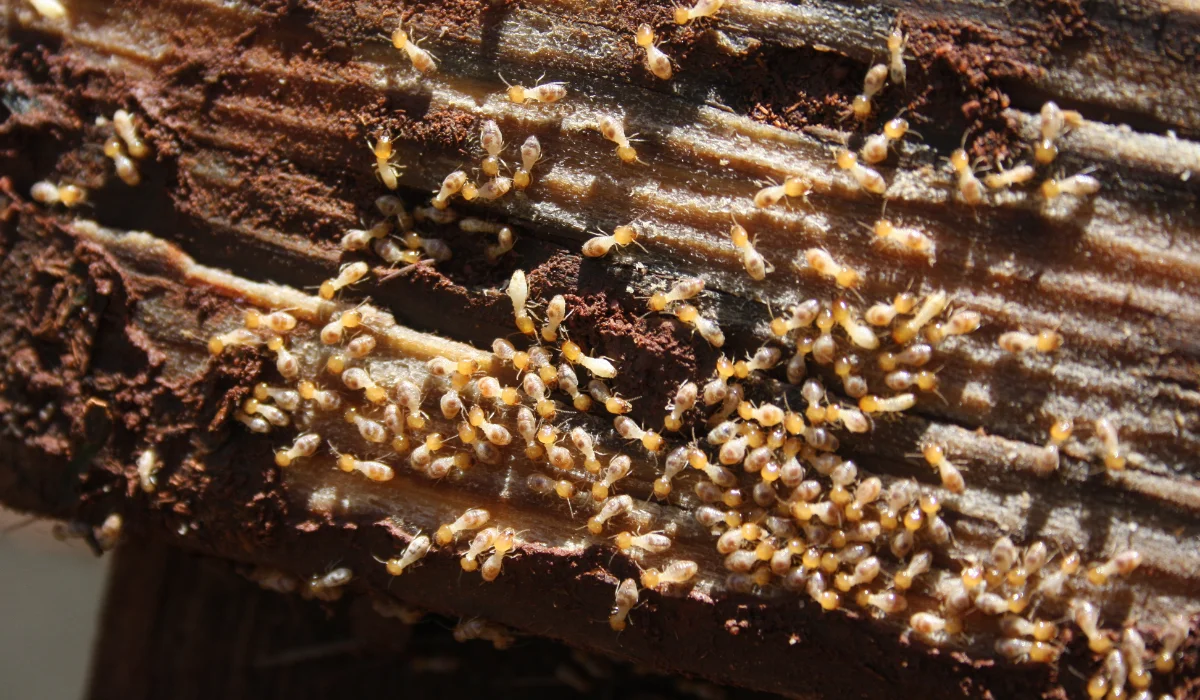
If you have seen signs of termites at home, you may wonder which kind you have. In San Francisco, the two main types of termites are drywood termites and subterranean termites. Both can damage wood, but they do not live or spread in the same way.
That difference matters. The right termite treatment depends on the termite type, where it is active, and how far it has spread. When homeowners know what to look for, they can catch problems earlier and avoid larger repair bills.
This guide explains the main differences between drywood termites and subterranean termites, where each one is likely to show up, and what steps to take next.
Key Takeaways
- Drywood termites live inside wood and do not need soil
- Subterranean termites live underground and often build mud tubes
- Both termite types can cause termite damage and structural damage
- Droppings, frass, and mud tubes can help you tell them apart
- A termite inspection helps confirm the problem and the best next step
Drywood vs Subterranean Termites: Key Differences
These termite types act differently.
Where They Live
Drywood termites live inside dry wood. They can settle into walls, trim, furniture, or other wooden structures without touching the soil.
Subterranean termites live in the ground. They move from the soil into a home when they find nearby wood and moisture.
How They Travel
Subterranean termites usually travel through mud tubes. These tubes protect them as they move from the ground to the wood.
Drywood termites do not make mud tubes. Instead, they stay hidden inside the wood they are eating.
Colony Size
Drywood termite colonies are often smaller than subterranean termite colonies. Even so, both can lead to extensive damage over time.
A subterranean termite infestation can spread quickly because the colony is often larger. A drywood termite infestation may spread more slowly, but it can still cause serious trouble.
Where Each Termite Type Shows Up
The place where you find termites can offer a clue.
Drywood Termites in Dry Wood
Drywood termites often infest attic wood, trim, doors, and window frames. They may also hide in furniture or other infested wood inside the home.
In California, these termites are often found in dry areas above ground. They like wood that is easy to enter through small cracks and crevices.
Subterranean Termites Near Soil
Subterranean termites are more likely to appear near the foundation, crawl space, or lower parts of the home. They need soil contact to survive.
You may spot them around support posts, on porches, or on walls near the ground. These are common places for signs of subterranean termites to appear.
Shared Trouble Spots
Both termite types can damage floors, walls, and wood framing. They may also show up near windowsills, baseboards, and other hidden spots.
That is why early detection matters. A small sign can point to a much bigger problem behind the wall.
Signs That Help You Tell Them Apart
A few signs can help you know what you are dealing with.
Mud Tubes
The clearest sign of subterranean termites is mud tubes. These narrow dirt paths often appear on foundation walls or other ground-level surfaces.
If you see mud tubes, there is a good chance you are dealing with subterranean termites.
Droppings and Frass
Drywood termites leave behind droppings called frass. These small pellets may collect below damaged wood and can look like fine sawdust.
You may find them near windowsills, door frames, or cracks in wood. This is a common sign of a drywood termite infestation.
Winged Termites
Both types can produce winged termites, also called alates. These flying termites appear when colonies grow and try to start new colonies.
Some are light brown or dark brown, depending on the type. If you see flying termites indoors, it is smart to schedule a professional inspection.
What to Do Based on the Termite Type
The next step depends on the termite you have.
For Drywood Termites
A drywood termite infestation may need spot treatments if the problem is small. If termites are spread through many areas, fumigation may be the better choice.
These are two of the more common treatment options for drywood termites. A trained team can recommend the best fit.
For Subterranean Termites
A subterranean termite infestation often calls for soil-based care. This may include baiting systems, termite bait, or a liquid termiticide around the home.
These treatment methods are designed to target the entire colony, not just the termites you can see.
For Either Termite Type
Do not rely on DIY sprays or guesswork. A trusted pest control company can identify the termite type and suggest effective treatments.
Professional pest control services help homeowners choose the right plan and avoid wasted time.
Schedule a Termite Inspection in San Francisco
If you think you have drywood termites or subterranean termites, do not wait for the damage to spread. Termites often stay hidden until the problem becomes larger and more expensive to fix.
Pest-R-Us provides pest control, termite control, and termite inspection services in San Francisco. Our team can inspect the home, identify the type of termite, and recommend the right termite treatment for your situation.
Schedule a free inspection or ask for a free quote to get started. Fast action can help protect your home from termite damage.
FAQs
What is the main difference between drywood termites and subterranean termites?
The main difference is where they live. Drywood termites live inside wood, while subterranean termites live in the soil and often travel through mud tubes.
Do drywood termites leave mud tubes?
No. Drywood termites stay inside the wood. Mud tubes are more often a sign of subterranean termites.
When should homeowners call for a termite inspection?
Call for a termite inspection as soon as you see mud tubes, droppings, flying termites, or damaged wood. Early action can help limit repairs.